What is the Digital Product Passport?
A Digital Product Passport (DPP) is a structured digital record that accompanies a product throughout its lifecycle, giving access to data on its origin, composition, repair and recycling options. Introduced by the EU Ecodesign for Sustainable Products Regulation (ESPR, 2024), the DPP will progressively become mandatory for product groups placed on the EU market, starting with batteries in February 2027.
The EU Digital Product Passport rolls out product group by product group, batteries first, with a binding deadline of 18 February 2027.

What data does a DPP contain?
A DPP typically records the product's identity and manufacturer, its material composition (including critical raw materials), environmental footprint indicators, and information supporting repair, reuse, remanufacturing and end-of-life treatment.
The data is accessed through a data carrier on the product itself, usually a QR code, and different levels of detail are available to consumers, repairers, recyclers and market surveillance authorities.
The EU regulatory timeline
The Ecodesign for Sustainable Products Regulation (ESPR) entered into force in July 2024 and creates the legal framework for DPPs across product categories. Delegated acts will define the exact requirements per product group.
The battery passport, established by the EU Battery Regulation (2023/1542), is the first sector-specific implementation: it becomes mandatory for EV, LMT and large industrial batteries placed on the EU market from 18 February 2027.
Beyond the battery: a passport for the whole powertrain
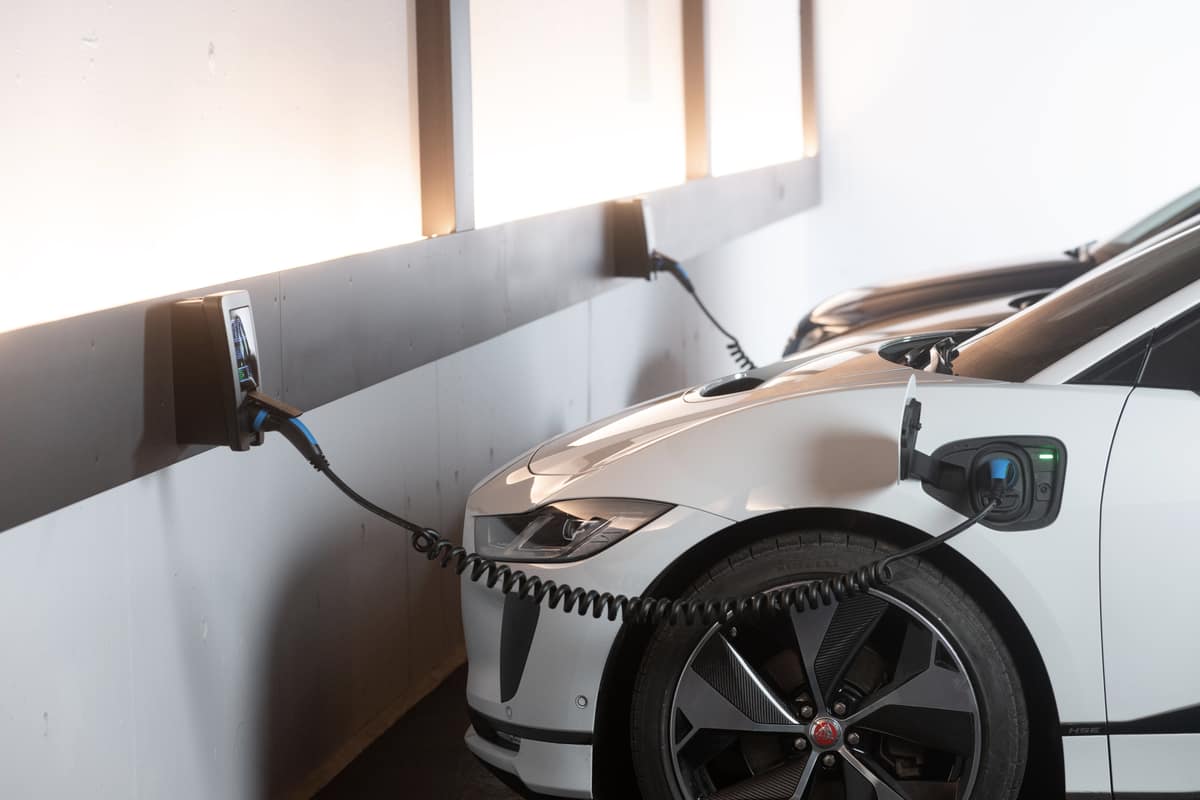
Most current DPP initiatives focus on the battery alone. Yet an EV powertrain also includes the e-motor, power electronics and transmission, components whose reuse potential depends on the same kind of traceable lifecycle data.
Extending the passport to the full powertrain makes it possible to assess, repair and re-certify each component for a second life instead of scrapping the assembly.
Frequently asked questions
- What is a digital product passport?
- A digital product passport is a digital record attached to a physical product that documents its composition, origin, environmental footprint and repair or recycling options across its whole lifecycle, usually accessible through a QR code.
- When does the DPP become mandatory in the EU?
- The ESPR framework entered into force in July 2024. The first mandatory sector application is the EU battery passport, required from 18 February 2027; other product groups will follow through delegated acts.
- Which products will need a digital product passport?
- The EU plans to roll DPPs out product group by product group, prioritising batteries, textiles, electronics, steel and construction products. Batteries are the first with a binding deadline.
- Who can access the data in a DPP?
- Access is tiered: some data is public (consumers), while more detailed technical data is reserved for repairers, recyclers, second-life operators and authorities.