1
Designed modular from day one
Battery, e-motor and power electronics are conceived as replaceable modules with standard interfaces.
EU Horizon Europe project · 2026 to 2030
Making electric vehicles last longer, by giving more value and several lives to their components.
BatteryVehicleReused partsNew life
One powertrain, several lives: seven steps to understand RELiVE at a glance.
Battery, e-motor and power electronics are conceived as replaceable modules with standard interfaces.
On-board monitoring tracks the state of health of every module, kilometre after kilometre.
Degradation is spotted early on one battery module, long before it becomes a failure.
Predictive maintenance swaps the single weak module. The vehicle stays in service.
The LONGLIFE powertrain targets +50% lifetime: built for taxis, delivery fleets and mobility services.
Magnets, battery modules and e-motor components are recovered and requalified at end of first life.
Reused components are reassembled into a low-cost SECONDLIFE powertrain, and the loop restarts.
Hover the frieze, or pause it, to read at your own pace.
Today, when a battery or an e-motor fails, the whole component, or even the whole vehicle, is often scrapped. RELiVE develops modular, repairable and reusable powertrains so that electric vehicles stay on the road longer, cost less to own, and consume fewer critical raw materials.
Learn how RELiVE works →+0%
powertrain lifetime extension
−0%
total cost of ownership (TCO)
−0%
critical raw materials per km
TRL 0
technology readiness targeted
Vehicles built to last, with a heavily extended lifetime for intensive use: taxis, delivery fleets and mobility services. New materials, modularity and smart maintenance keep them running.
Explore LONGLIFEA powertrain with several lives: reliable, low-cost EV powertrains built from refurbished and reused components, such as reused magnets, refurbished e-motors and storage systems, and remanufactured bearings.
Explore SECONDLIFE
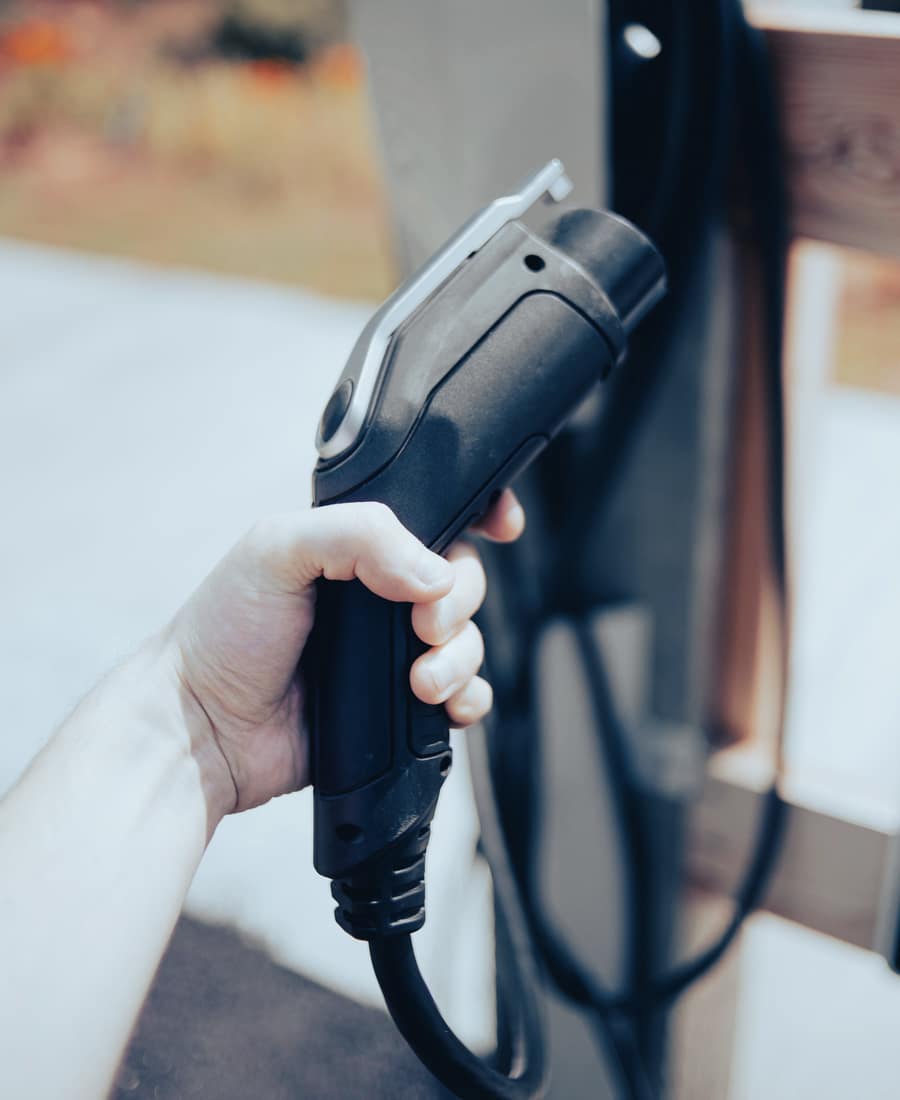
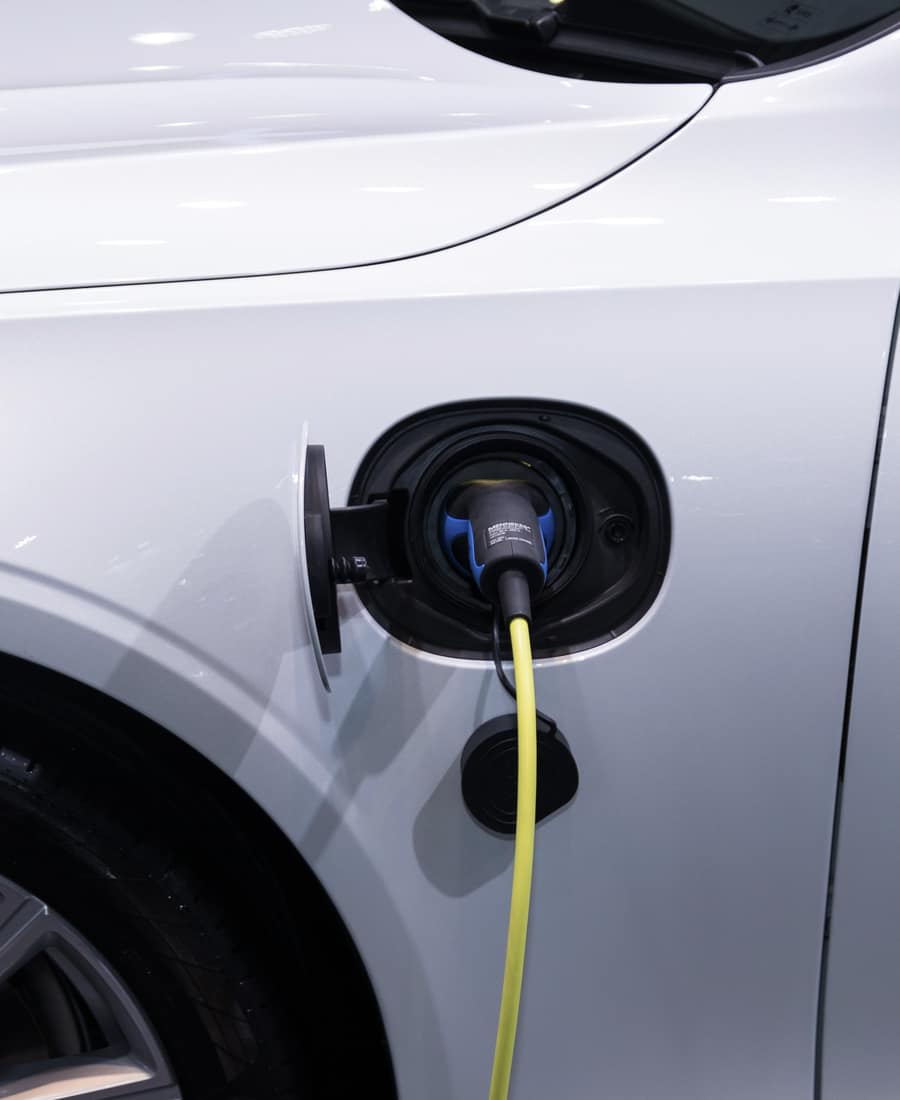
Batteries get the headlines, but the whole powertrain (magnets, e-motor, power electronics) is where the next circularity gains lie.
Read the articleOne extends a vehicle's first life by design; the other gives components a second one. Together they close the loop of the electric powertrain.
Read the article10 European partners, one goal: making electric vehicles last longer. The Horizon Europe project RELiVE is underway.
Read the articleKnowledge Hub
A Digital Product Passport (DPP) is a structured digital record that accompanies a product throughout its lifecycle, giving access to data o…
Read moreKnowledge Hub
The digital battery passport is an electronic record required by the EU Battery Regulation (2023/1542) for every EV, light means of transpor…
Read moreKnowledge Hub
A modular battery pack is a battery built from independent, individually replaceable modules rather than a single sealed unit. When a module…
Read moreCar manufacturers, research institutes, battery and e-motor experts from 6 countries work together to make circular electric mobility real.