
Critical raw materials: the EV industry's dependency
Critical raw materials (CRMs) are materials of high economic importance and high supply risk, such as lithium, cobalt, natural graphite and rare earth elements. Electric vehicles depend on them for batteries and motor magnets, and the EU imports most of them, which is why the EU Critical Raw Materials Act (2024) sets targets for domestic extraction, processing and recycling by 2030.
The EU Critical Raw Materials Act sets 2030 targets: 10% extracted, 40% processed and 25% recycled within the EU.
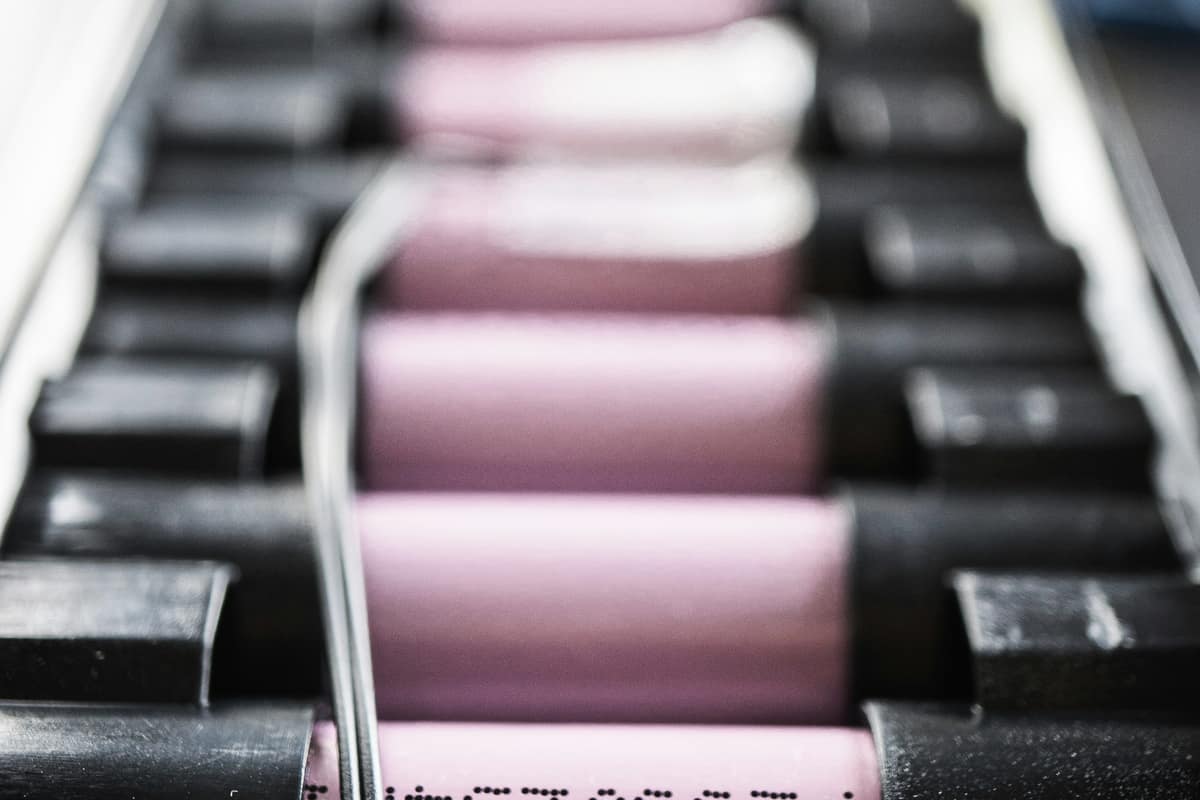
Why EVs depend on critical raw materials
An EV battery uses lithium, nickel, cobalt, manganese and graphite; most traction motors use neodymium and dysprosium magnets. Supply is concentrated in a few countries, exposing the industry to geopolitical and price risk.
The EU response
The Critical Raw Materials Act sets 2030 benchmarks: at least 10% of the EU's annual consumption extracted domestically, 40% processed in the EU, 25% covered by recycled materials, and no more than 65% of any strategic raw material from a single third country.
Reuse: the fastest lever to cut CRM demand
Every reused magnet, module or motor is a quantity of CRM that does not need to be mined, refined or imported. Extending component lifetime and reusing parts directly reduces CRM consumption per kilometre driven.
Frequently asked questions
- What are critical raw materials?
- Materials that are economically important and exposed to high supply risk. The 2024 EU list includes 34 of them, among which lithium, cobalt, natural graphite and rare earth elements.
- Which critical raw materials are used in electric vehicles?
- Mainly lithium, nickel, cobalt, manganese and graphite in batteries, plus rare earths (neodymium, dysprosium) in permanent-magnet motors and copper throughout the powertrain.
- What is the EU Critical Raw Materials Act?
- A 2024 regulation setting 2030 targets for EU extraction (10%), processing (40%) and recycling (25%) of strategic raw materials, and capping single-country dependency at 65%.
- How can reuse reduce critical raw material consumption?
- Reusing components keeps materials in service longer: RELiVE targets a 50% reduction in critical raw material use per kilometre through lifetime extension and reuse.