EV battery recycling and second life
When an EV battery no longer meets automotive requirements (typically below 70 to 80% state of health), it can be reused in less demanding vehicles, repurposed for stationary energy storage, or recycled to recover materials such as lithium, nickel and cobalt. In a circular economy, reuse and repurposing come before recycling, because they preserve the value embedded in the components.
Reuse before recycling: recycling recovers raw materials, but only reuse preserves the manufactured value of a component.
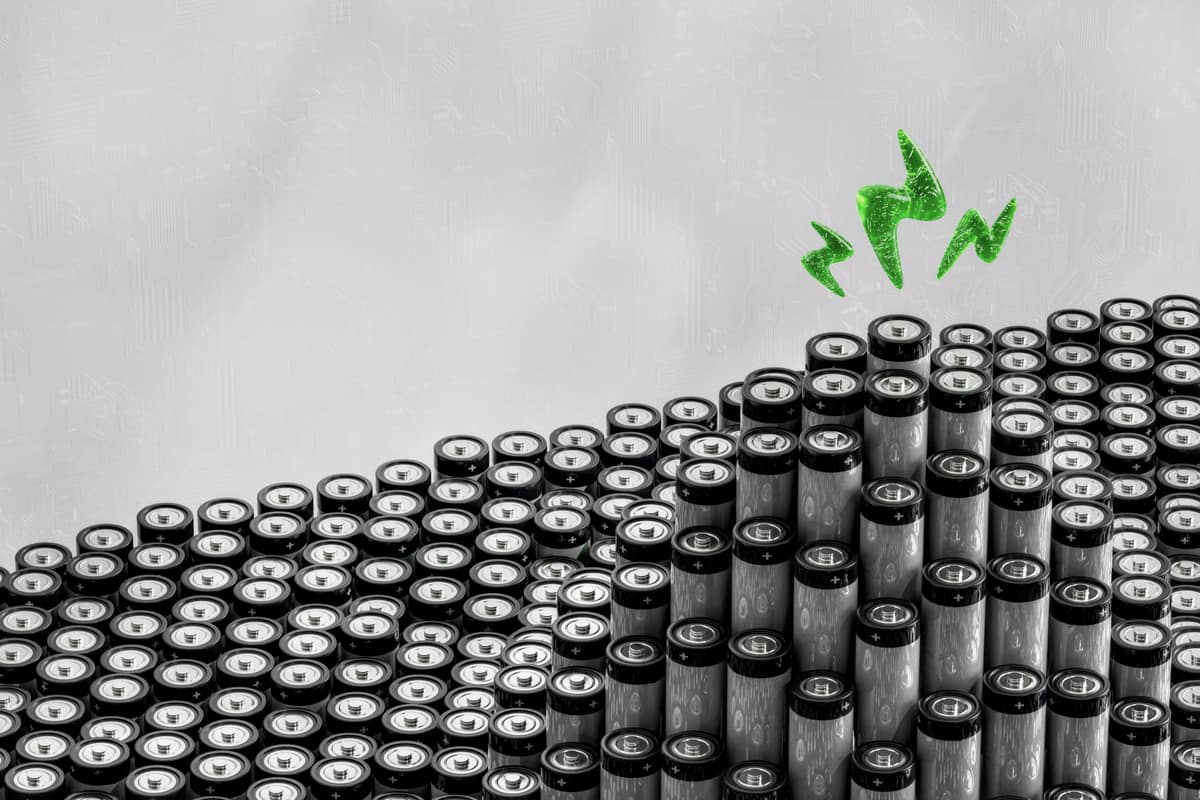
The circular hierarchy: reuse, repurpose, recycle
Recycling recovers materials but destroys the manufactured value of cells, modules and packs. Reusing a healthy module directly in another powertrain, or repurposing packs for stationary storage, keeps far more value and avoids new manufacturing emissions.
How battery recycling works
Industrial recycling combines mechanical pre-treatment with pyrometallurgical and/or hydrometallurgical processes to recover metals. The EU Battery Regulation sets minimum recovery and recycled-content targets that ramp up through 2031.
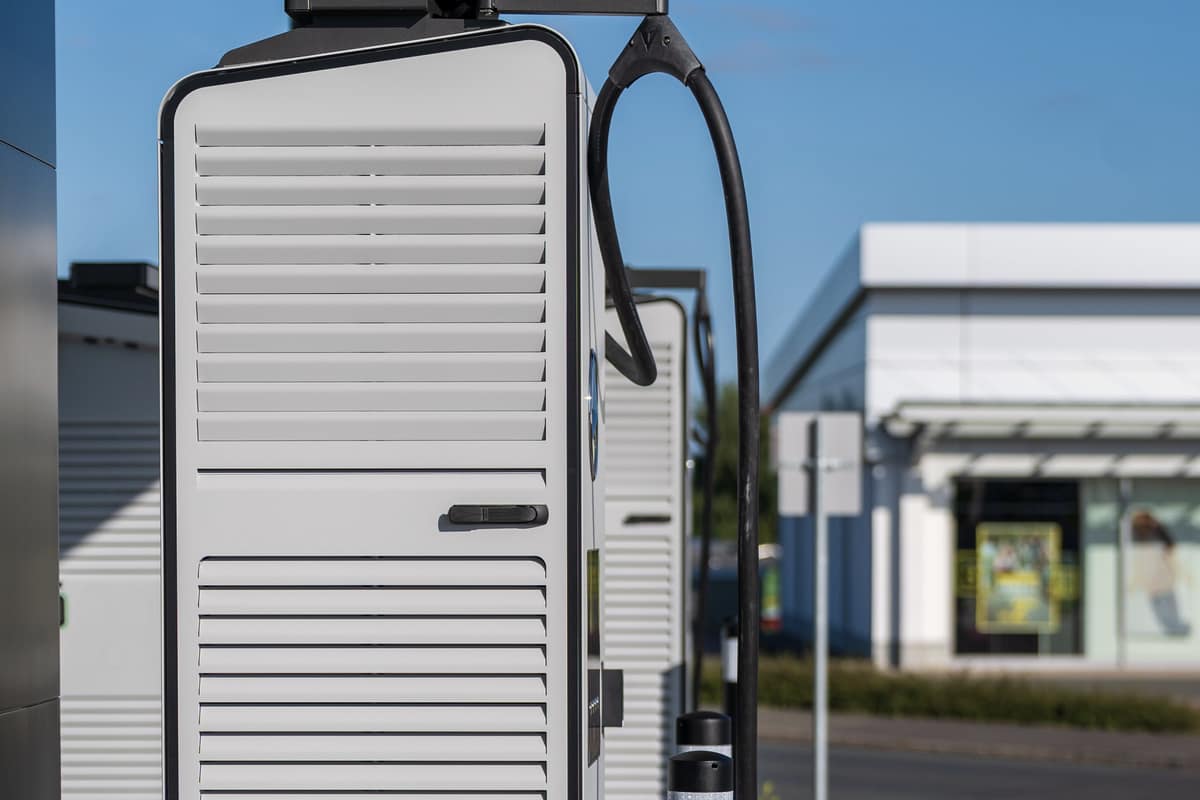
Second-life applications
Second-life batteries power grid storage, solar self-consumption, EV charging buffers and low-speed vehicles. The key enabler is trustworthy state-of-health data: knowing exactly what a used module can still deliver.
Frequently asked questions
- What happens to EV batteries at end of life?
- They are assessed and, depending on their condition, reused in vehicles, repurposed for stationary storage, or recycled to recover critical materials.
- Can EV batteries be fully recycled?
- Modern processes recover a large share of lithium, cobalt, nickel and copper; the EU sets binding recovery targets, but recycling remains energy-intensive compared with reuse.
- What is a second-life battery?
- A battery that has finished its first automotive life but still has enough capacity for a less demanding application, such as stationary energy storage.
- Why reuse before recycling?
- Reuse preserves the manufactured value and embedded carbon of the component, while recycling only recovers raw materials.