How long do EV batteries last?
Most modern EV batteries last 15 to 20 years or 1,500 to 2,000 full charge cycles, typically 200,000 to 500,000 km, before falling below 70 to 80% of their original capacity. Manufacturer warranties commonly cover 8 years or 160,000 km.
Most modern EV batteries last 15 to 20 years, typically 200,000 to 500,000 km.
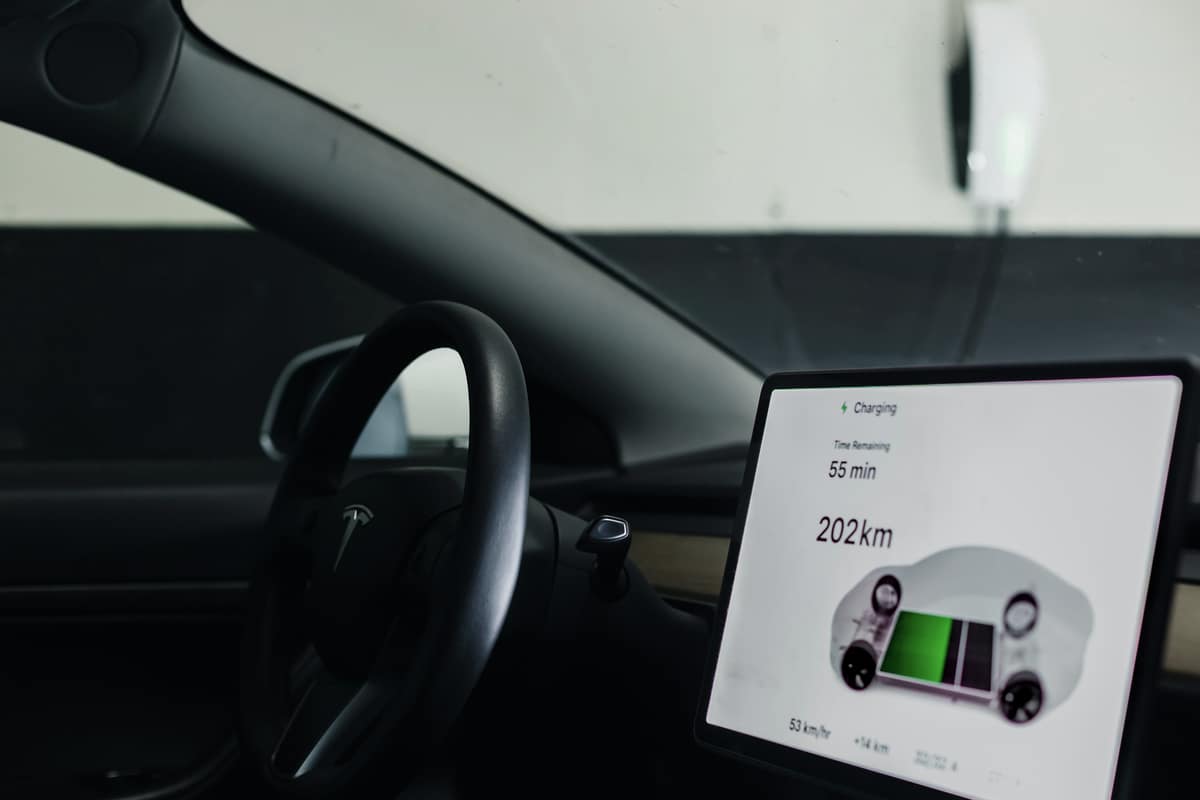
Typical lifespan in years and kilometres
Real-world fleet data shows EV batteries degrading around 1.8 to 2% per year on average, meaning most packs outlive the vehicles they power. Lifespan varies with chemistry (LFP vs NMC), climate and charging habits.
What shortens battery life
Frequent DC fast charging, sustained high temperatures, deep discharges and storing the battery at 100% charge all accelerate degradation. Moderate charging habits can add years of life.
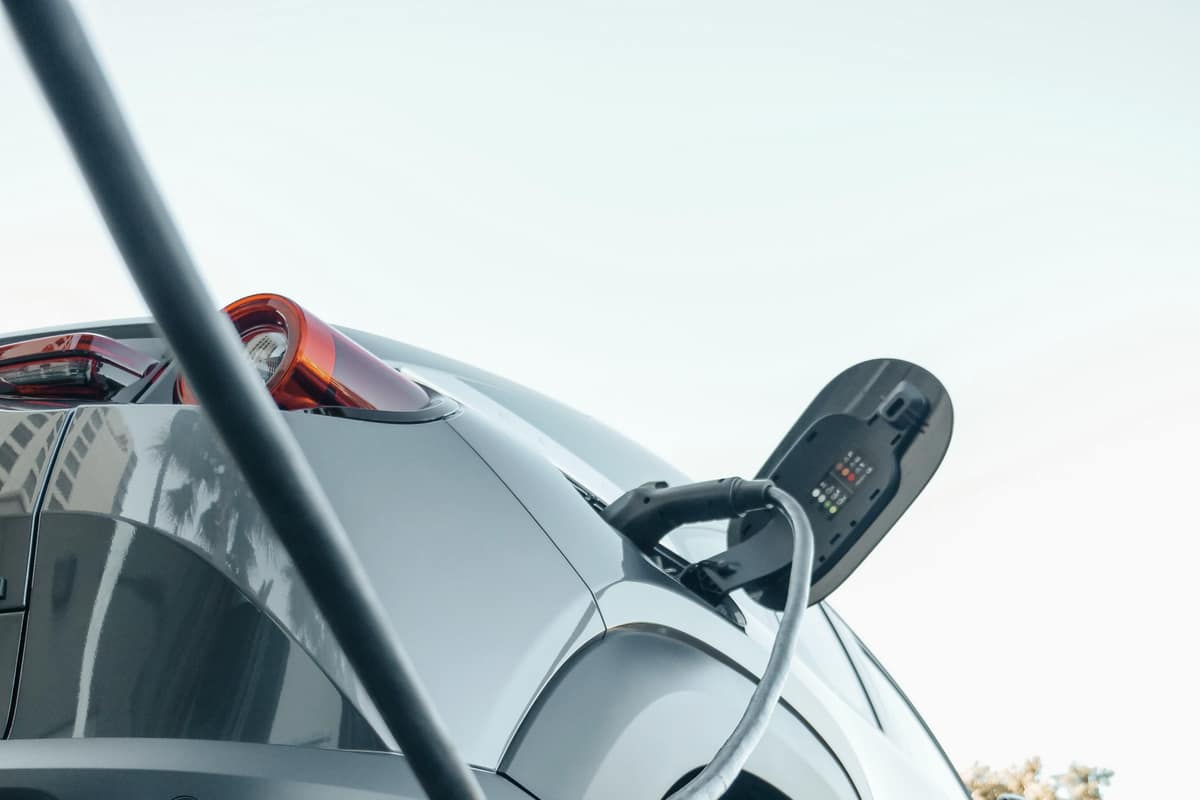
Replacement cost, and why modularity changes it
A full pack replacement typically costs €5,000 to €20,000 depending on the vehicle. Yet degradation is rarely uniform: often only some modules are weak. Modular packs allow replacing those modules instead of the whole pack, cutting cost and waste dramatically.
Frequently asked questions
- How long does an EV battery last in years?
- Typically 15 to 20 years before reaching 70 to 80% of original capacity; most warranties cover 8 years or 160,000 km.
- How much does it cost to replace an EV battery?
- A full pack replacement generally costs €5,000 to €20,000 depending on capacity and model, which is why module-level repair matters.
- Do EV batteries degrade if not used?
- Yes, calendar ageing occurs even at rest, especially at high state of charge and high temperature, though slower than cycling-driven ageing.
- Can an EV battery be repaired instead of replaced?
- With modular pack designs, individual weak modules can be diagnosed and replaced, restoring capacity without scrapping the whole pack.